Bengal Colors and Patterns
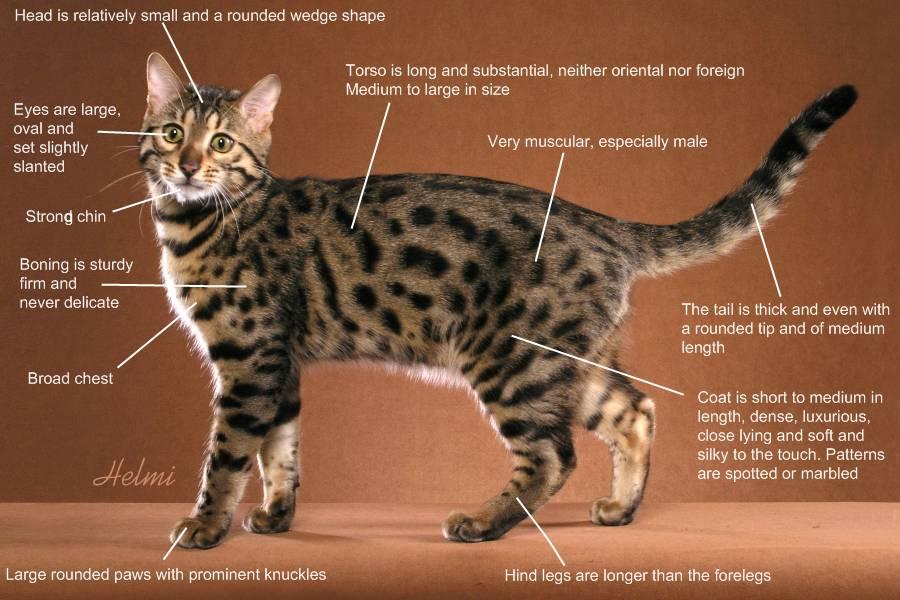
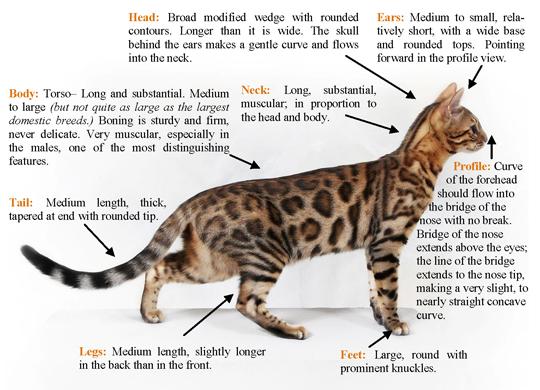
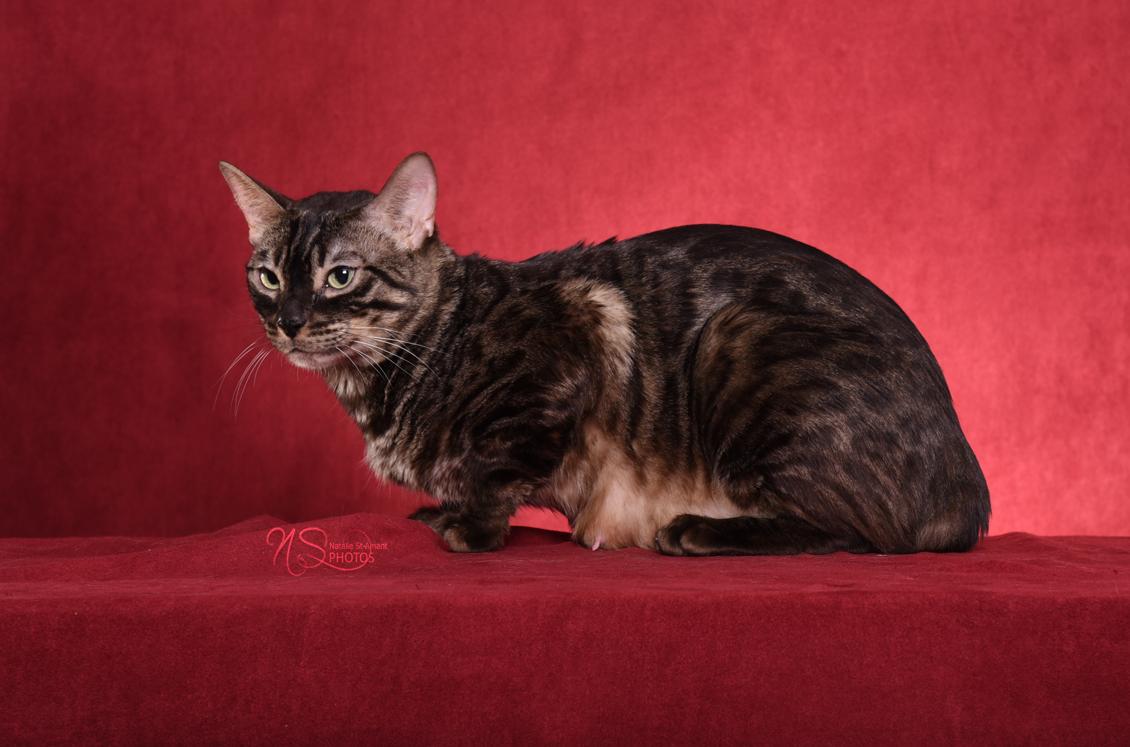
All Bengals have a Tabby pattern in addition to the Spotted or Marbled pattern as the case may be. This said, we can observe in all Bengals a ''striped'' marking (typical of tabby cats) on the face, on the front of the body and on the outside of the legs. The belly, the throat and the inside of the legs should be slightly lighter in color.
There are 2 patterns available, the Rosette Bengal (commonly called Spotted), and the Marbled Bengal (Marbled).
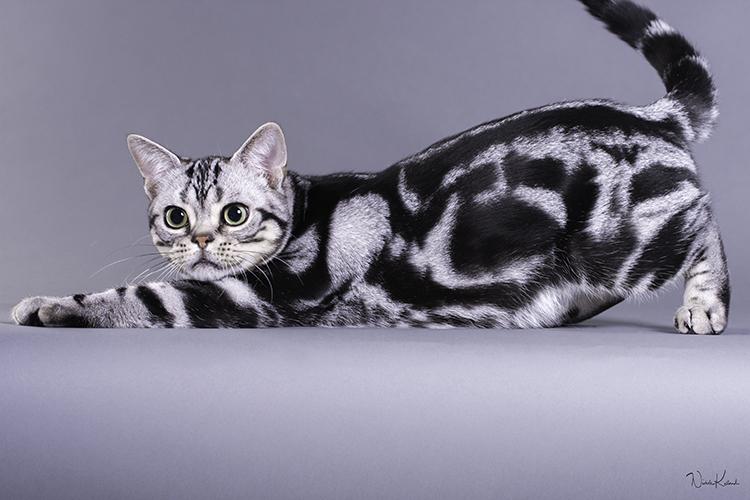
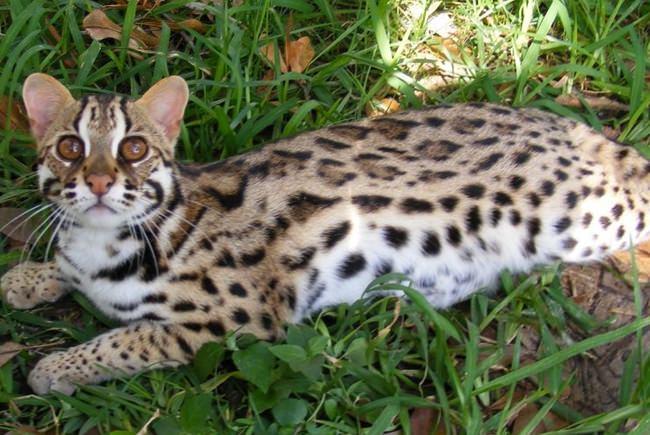
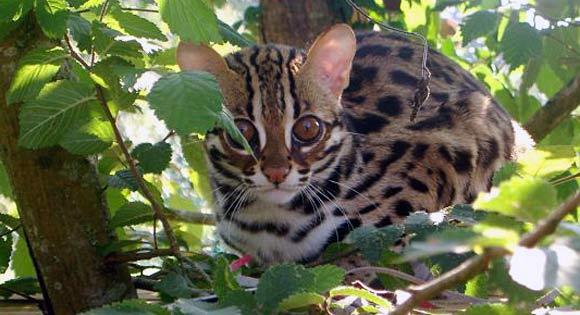
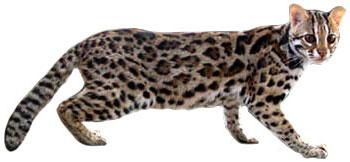
The Marbled is close to the pattern of the longiband panther (see photo on the right), and is a derivative of the blotched tabby. This was obtained following a selection work of the breeders. This pattern was most likely inherited from its American Shorthair ancestor, at the beginning of the breed.
As for the rosettes, there are several types of rosettes, whether spots, open rosettes, arrowheads, or closed rosettes.
At Saphira Cattery, we have chosen to produce only kittens with closed rosettes, having an incredible contrast because, according to us, this is what the evolution of this magnificent breed should aim at!
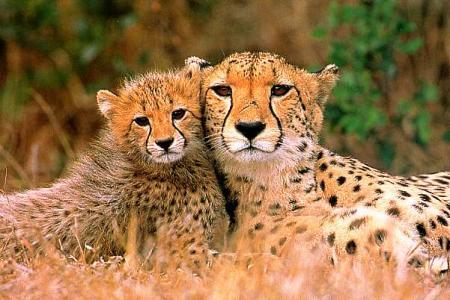
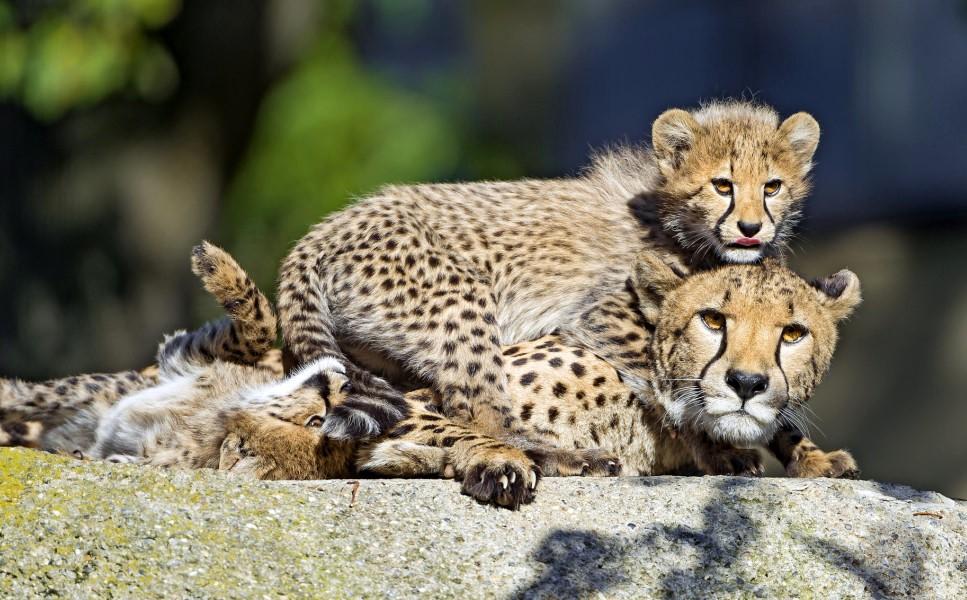
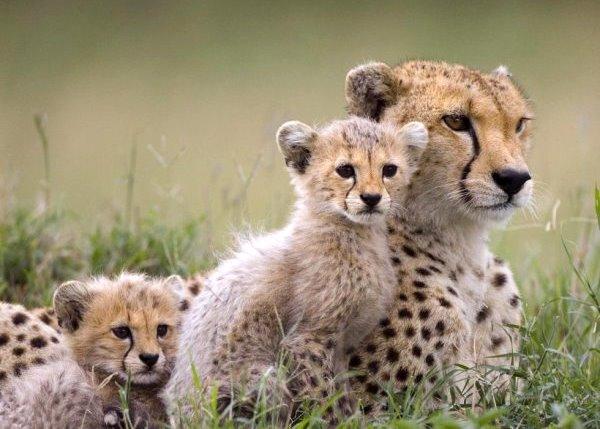
As far as colors are concerned, there is of course the Brown Spotted (or Marbled) Tabby, which is the "classic" color according to us, since it reminds without a doubt the coat of a leopard! The only 2 possible and accepted eye colors for the Bengal Brown Spotted are green and gold.
At Saphira Cattery, we continue to work on this color by striving to have a very golden background color and chocolate brown to black rosettes, like our retired cat Saphira June. And this is the closest thing to Leopard color!
For those who want a "red" Bengal cat, this is not what we offer, because we know from our experience that this color ages poorly and loses contrast. Indeed, with time, the color of the rosettes and the background color end up being in the same hues, and the rosettes are no longer as easily distinguishable... The ''WOW'' effect of the coat is no longer there after a few years. Moreover, the orange hues are reminiscent of the Tiger, and not the Leopard! ;-)
Then comes the family of colors ''Snow'', which is subdivided into 3 colors. There can be slight variations in colors but generally, we can observe this:
- Seal Point Spotted (or Marbled) Tabby. The background of the coat of these cats is usually white, and the spots can vary from very light gray to slightly beige. Cats of this color must have blue eyes. A very quick and easy way to know if the cat really has blue eyes is to observe a red reflection in intense light, such as a camera flash. Historically, this color gene comes from the crossbreeding that was done with the Siamese at the beginning of the breed.
- Seal Mink Spotted (or Marbled) Tabby. Cats of this color have a creamy beige background color, and the spots are usually coffee beige. The eyes of Bengals Mink cats must be Turquoise (Aqua). This color comes from both Siamese and Burmese.
- Seal Sepia Spotted (Marbled) Tabby. Bengal Sepia are the darkest ''Snow''. Generally, the background of the dress is beige and the spots are coffee color, without being ''brown-black'' as in Brown Spotted. The eye color of Bengal Sepia is the same as for Brown Spotted, either green or gold. This color gene comes from crosses that were made with the Burmese at the beginning of the Bengal breed.
As far as Silver is concerned, it is in fact from a genetic point of view, a Bengal Brown Spotted for which there is no color on the coat. We could imagine the phenomenon by the idea of watching a Bengal Brown Spotted, but in an old black and white TV set. That said, it also explains the appearance of rufus (red brown hair) in some individuals, which may indicate a poor quality of Silver depending on the quantity. The presence of rufus on the nose and patons may be acceptable, but nothing more. If rufous hairs are present on the body and throughout the coat, it is a clear sign of poor quality Silver. Also, if the weather of the cat seems to be beige, it is not a Silver Bengal but rather a Brown Spotted ''cold brown''.
At Saphira Cattery, we strive to have a beautiful quality of Silver, that is to say that the coat is silver, with very black spots, in order to have the best possible contrast.
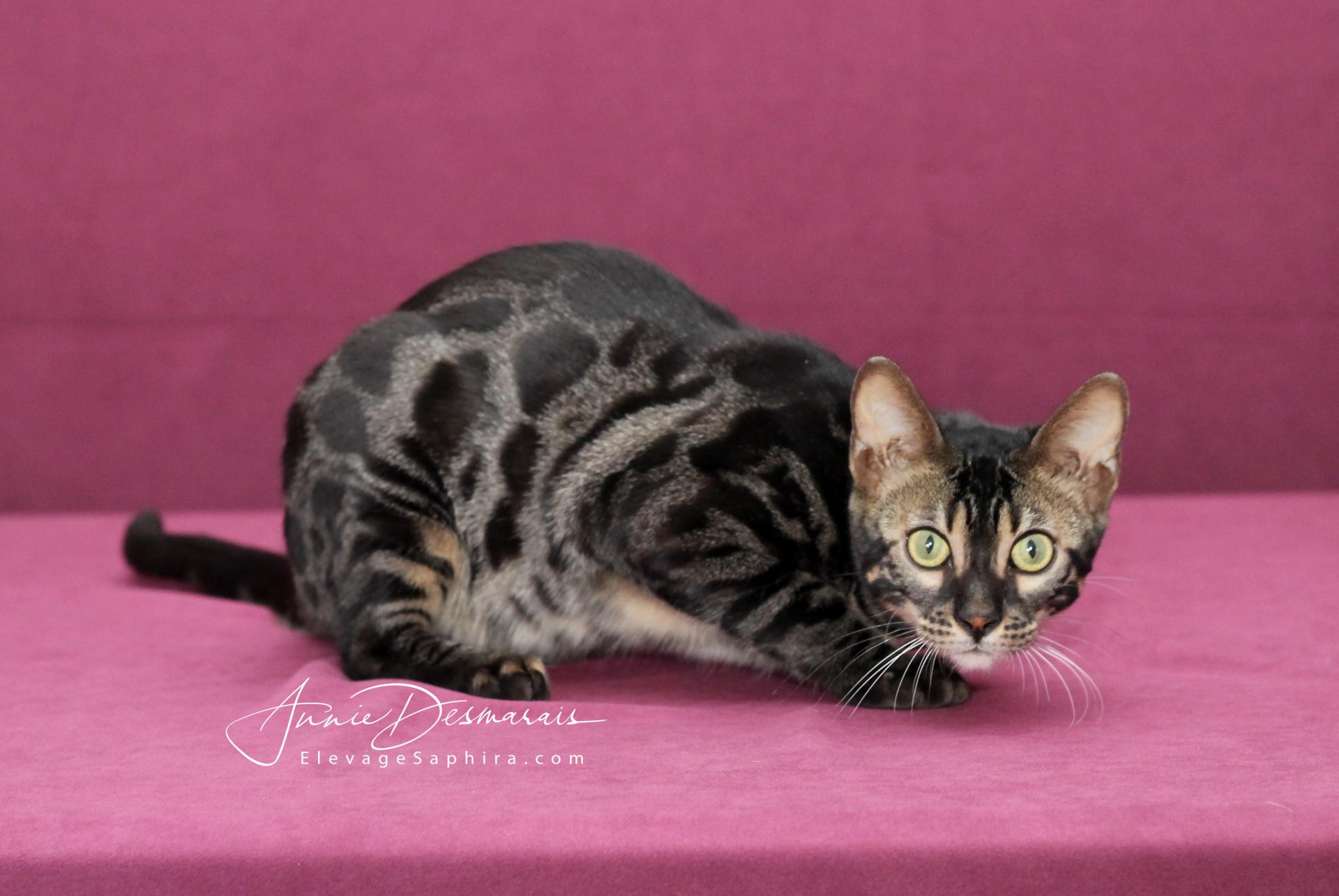
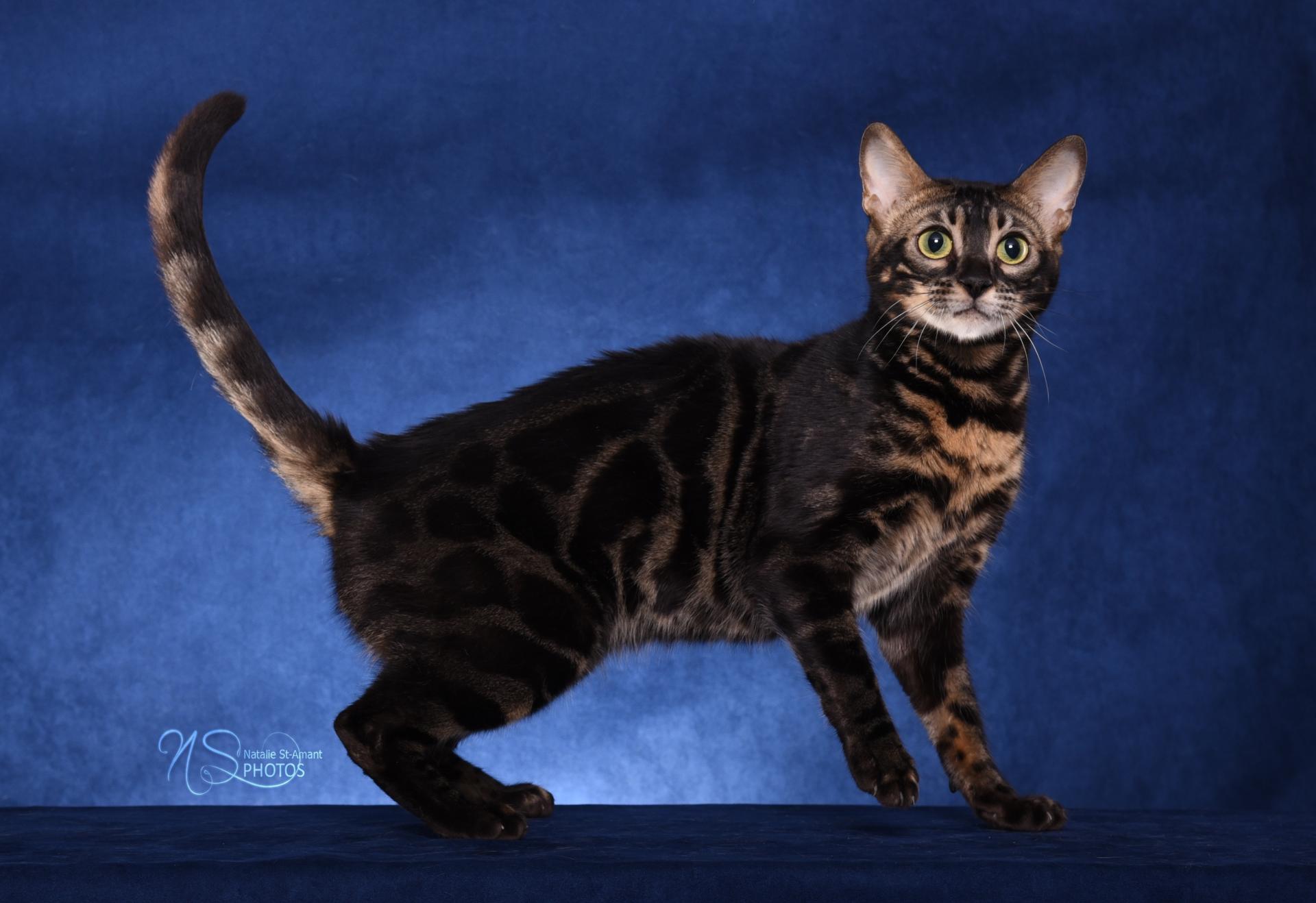
The last color which is in fact a pattern, is Charcoal! Indeed, Charcoal is wrongly named as a color, but it is really a pattern since it is superimposed on top of a color to give the appearance of a mask and a cape to the cat.
Here are some pictures of our cats Bengal Brown Spotted Tabby Charcoal, and Seal Sepia Spotted Tabby Charcoal.